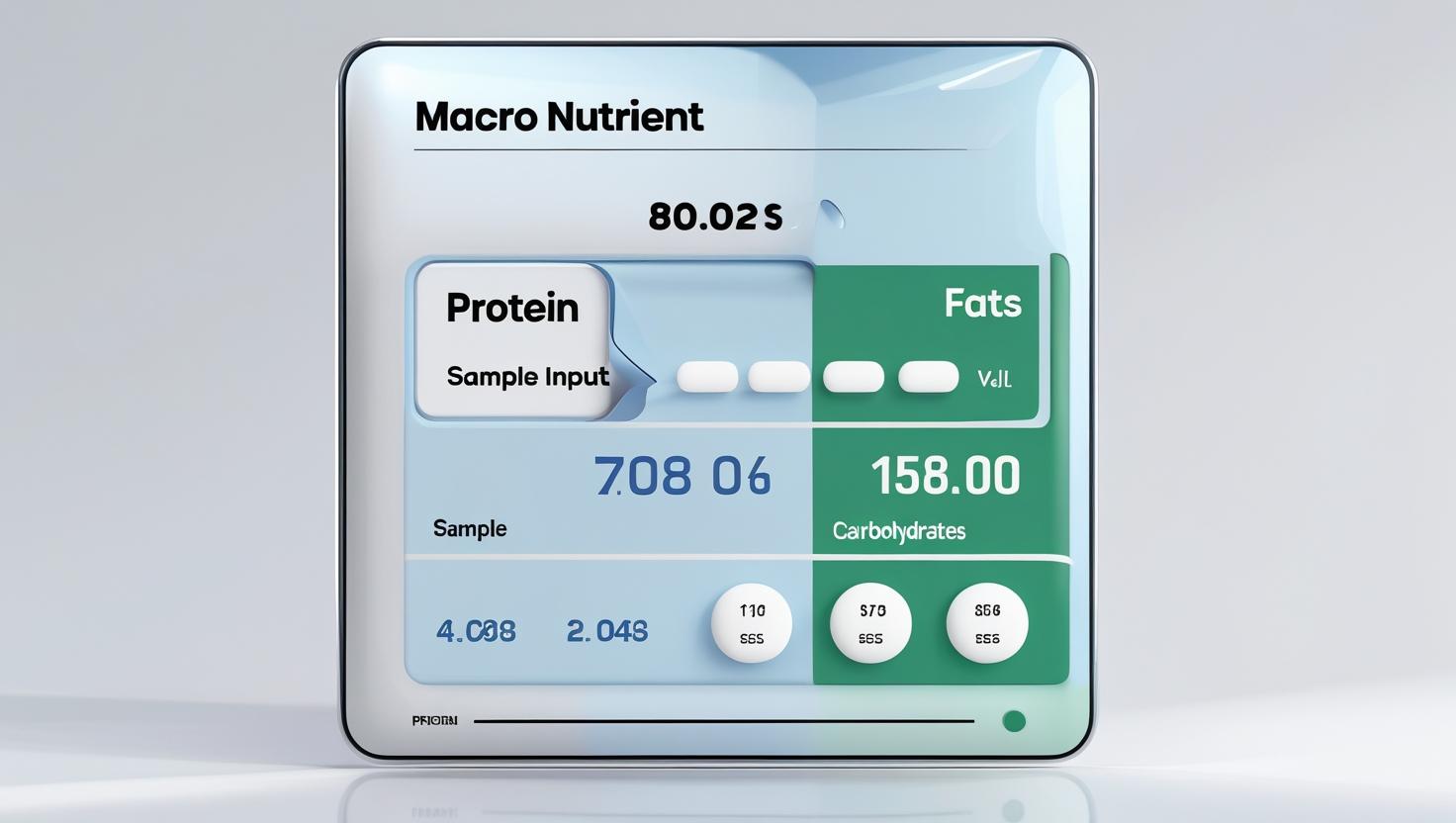
🥗 Macro Nutrient Calculator
Calculate your daily Protein, Carbs & Fat intake
.
🥗 What is Macronutrient Calculation?
Macronutrient calculation is the process of determining how many grams of protein, carbohydrates, and fat you should consume each day based on your calorie needs, fitness goals, and body composition.
Macros are the nutrients that provide energy (calories) and are essential for body function and growth. They are:
- Protein (4 kcal per gram) – helps build and repair tissues, supports muscle mass.
- Carbohydrates (4 kcal per gram) – the body’s main energy source.
- Fat (9 kcal per gram) – essential for hormone production and absorbing vitamins.
🔍 Why is Macro Tracking Important?
While calorie counting tells you how much you’re eating, macro counting tells you what you’re eating. This makes a huge difference in:
- Weight loss or muscle gain
- Energy levels
- Body composition (fat vs. muscle)
📏 Step-by-Step: How to Calculate Your Macros
✅ Step 1: Calculate Your Caloric Needs
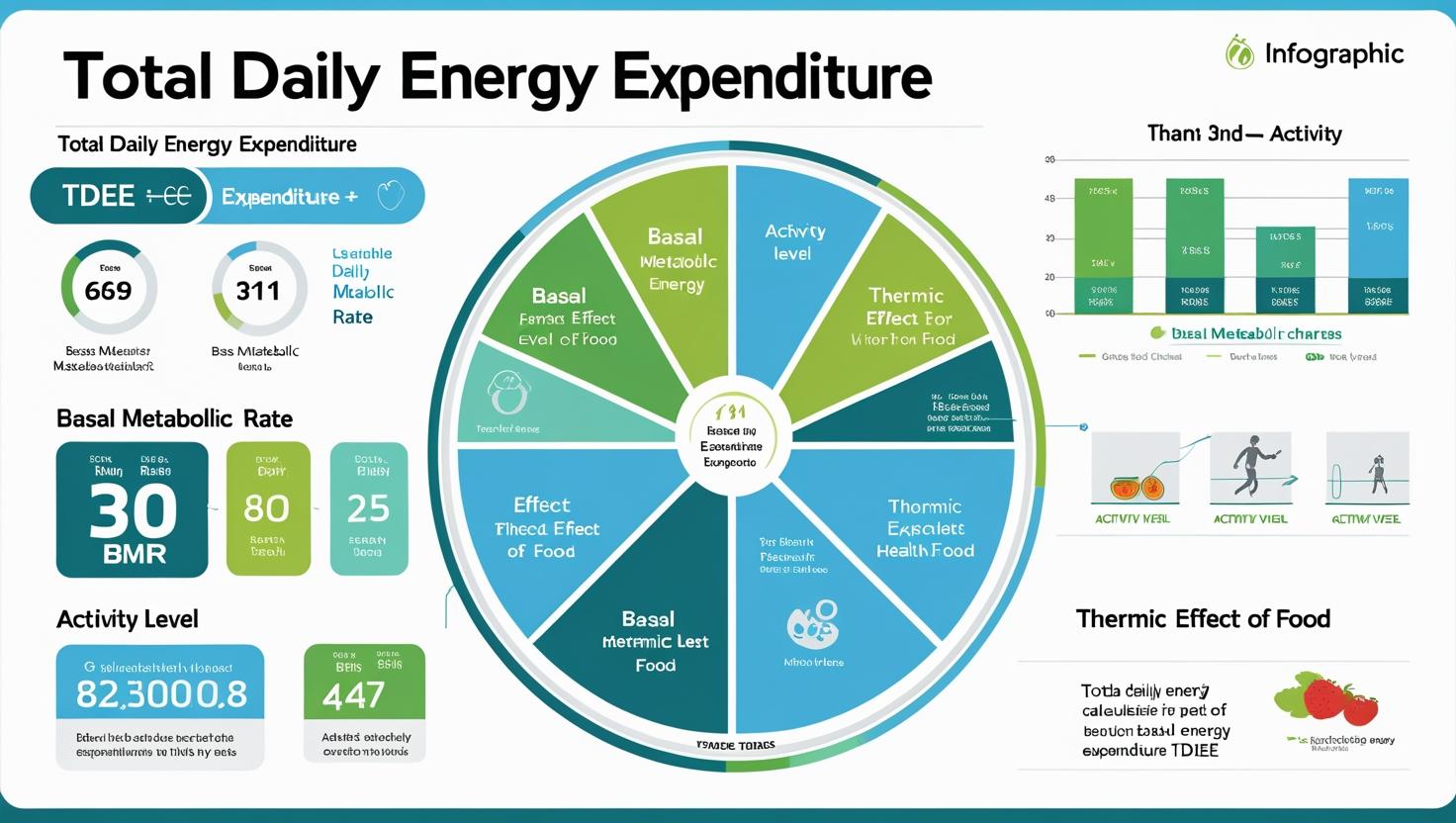
Use the TDEE (Total Daily Energy Expenditure) formula to estimate how many calories you burn in a day.
- You can use online TDEE calculators
- Or use this basic formula: iniCopyEdit
TDEE = BMR × Activity Level
For example:
- Sedentary (little/no exercise): BMR × 1.2
- Lightly active: BMR × 1.375
- Moderately active: BMR × 1.55
- Very active: BMR × 1.725
Let’s assume your TDEE is 2,000 calories/day
✅ Step 2: Choose Your Goal and Macro Ratio
Choose macro percentages depending on your fitness goal:
| Goal | Carbs | Protein | Fat |
|---|---|---|---|
| Fat Loss | 40% | 35% | 25% |
| Muscle Gain | 45% | 30% | 25% |
| Balanced Health | 40% | 30% | 30% |
| Low Carb (Keto) | 10% | 30% | 60% |
✅ Step 3: Convert Calories to Grams
Calories from macros:
- Protein: 1g = 4 kcal
- Carbs: 1g = 4 kcal
- Fat: 1g = 9 kcal
🔢 Example: 2,000 Calories for Fat Loss (40% Carbs, 35% Protein, 25% Fat)
- Carbs: 40% of 2000 = 800 kcal ➜ 800 ÷ 4 = 200g carbs
- Protein: 35% of 2000 = 700 kcal ➜ 700 ÷ 4 = 175g protein
- Fat: 25% of 2000 = 500 kcal ➜ 500 ÷ 9 = 56g fat
✅ Tips for Success
- Use apps like MyFitnessPal or Cronometer to log macros
- Weigh food when possible for accuracy
- Don’t obsess over perfect numbers—aim for consistency
📌 Final Thoughts
Macronutrient calculation gives you control over what fuels your body. Whether you’re trying to lose weight, gain muscle, or just eat healthier, understanding your macros helps you make informed decisions every day.
Remember:
“Calories tell you how much, macros tell you what.”